Due to some Credit Card processor issues we are accepting PayPal payment only until further notice!



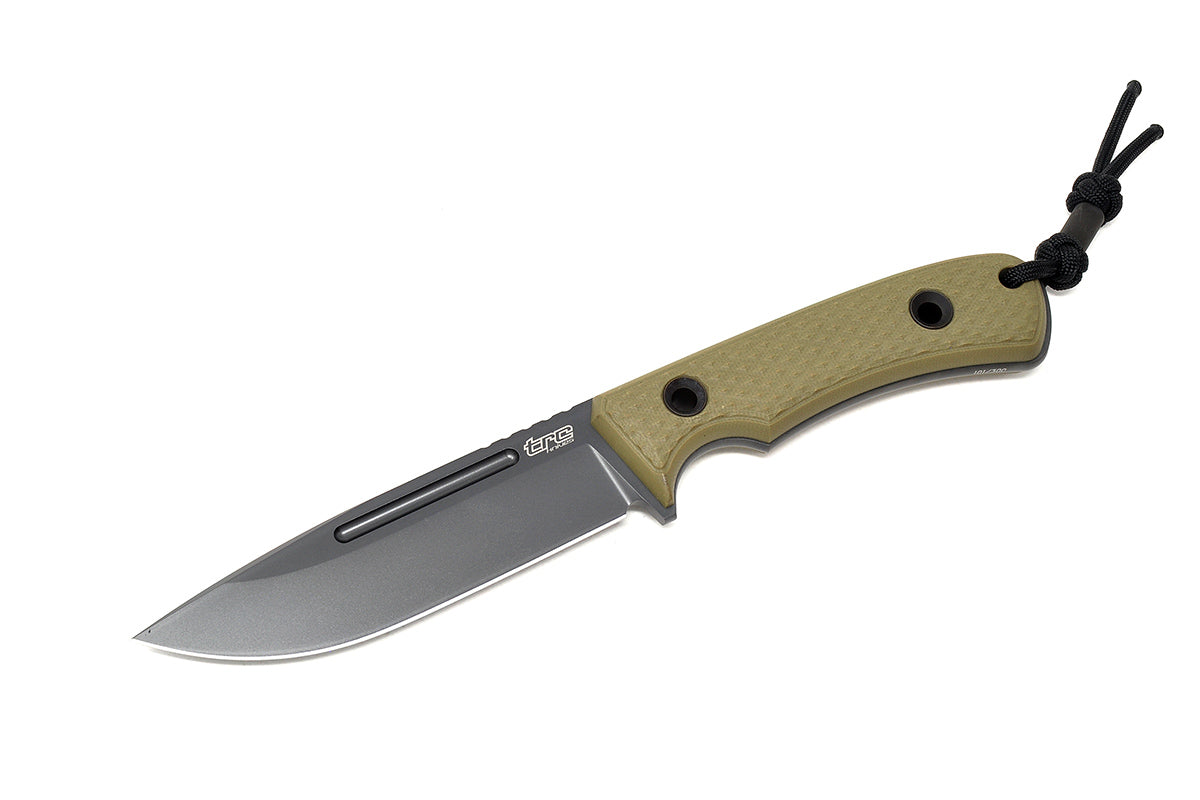
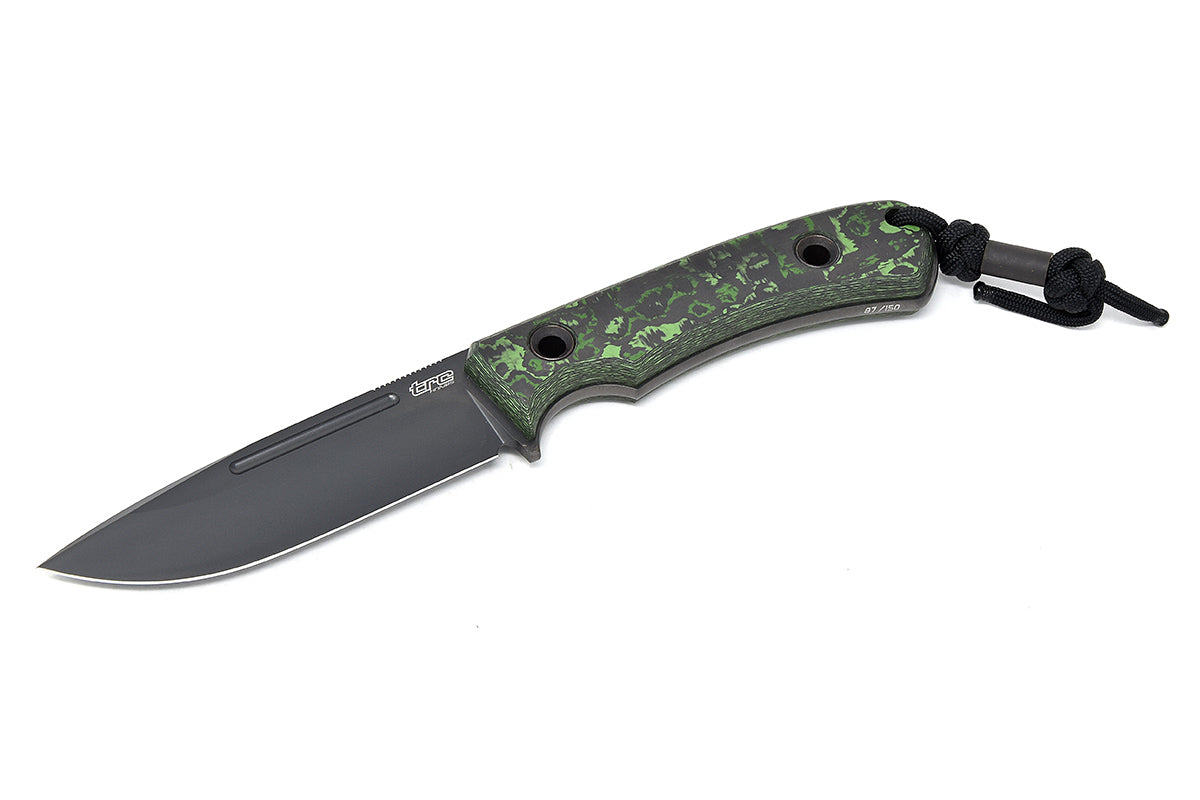
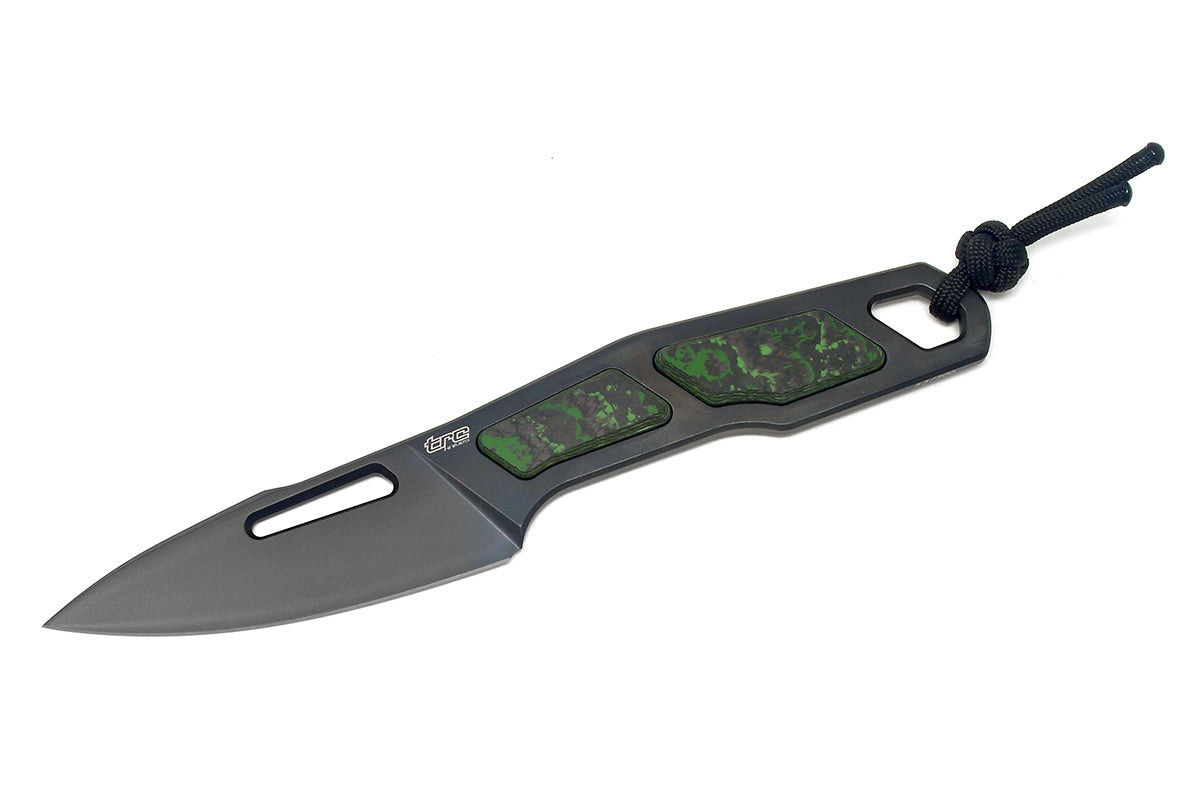
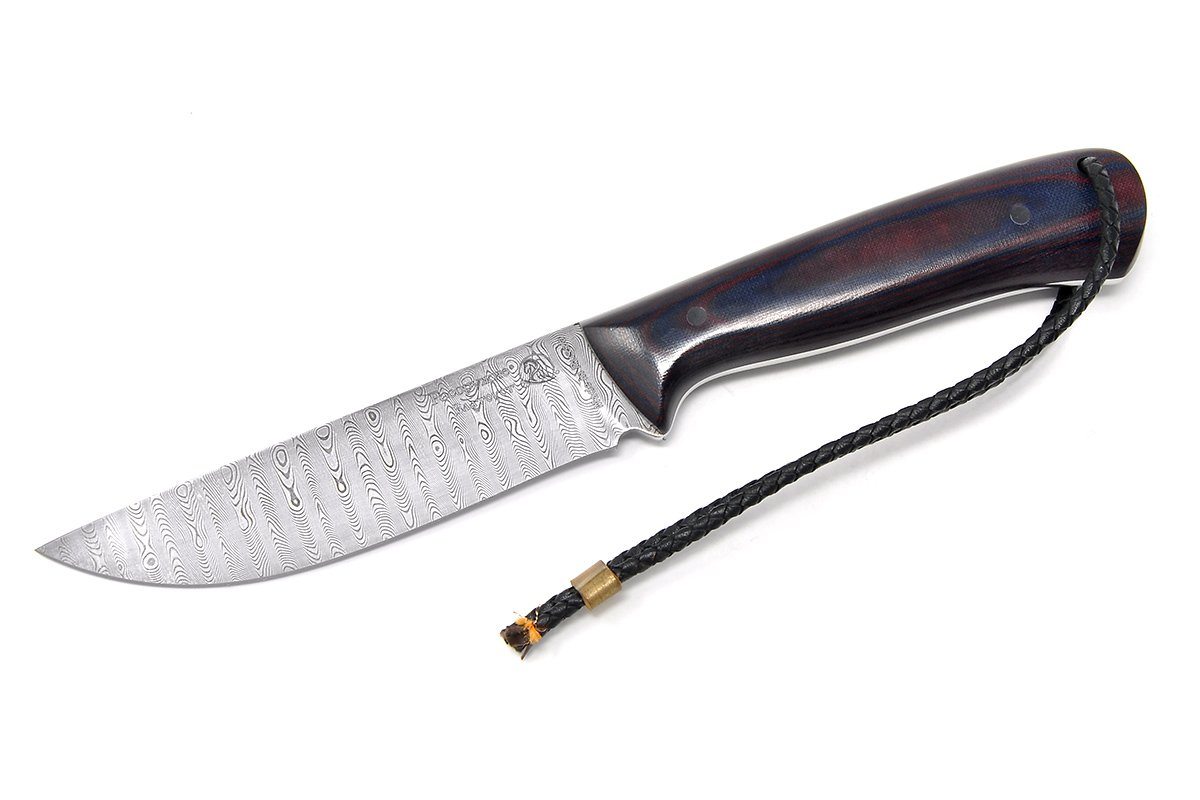
The South Pole knife is one of my favorites. Fit and Finish were as good as other TRC knives. Didn’t have a chance to test it, but the V4E blade was incredible, very sharp, and rugged. This knife was an another excellent example from TRC knives.
It’s almost too pretty to use. Almost.
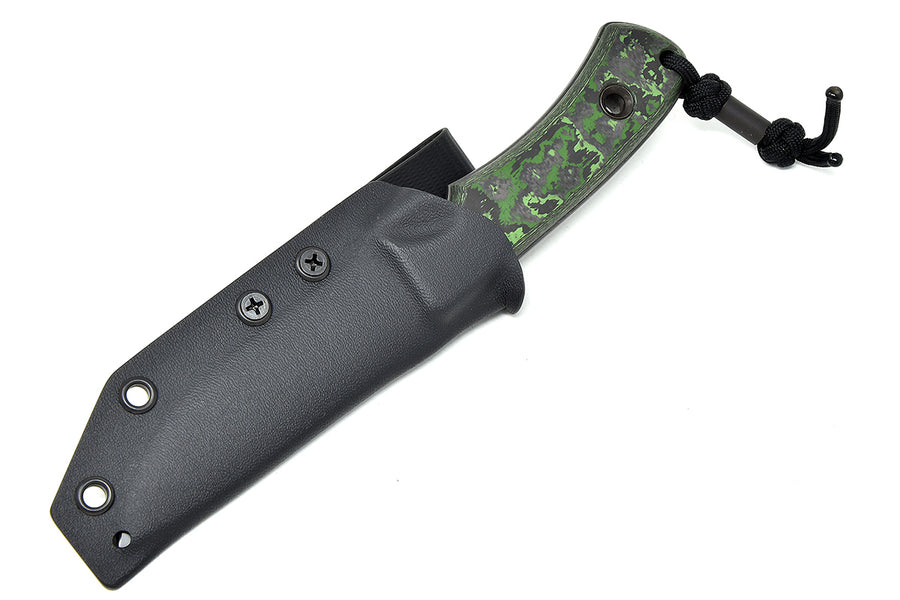
Limited edition, nice color combination for one of my favorite TRC models. Perfect.
Russian Knives guys offer great quality knives and service as well!
Great materials, outstanding fit and finish. If you want the perfect fixed blade, go with a TRC. You just need to pick the right size for your task: small (this knife), medium (South Pole) or large (Apocalypse).
An amazing beast of a knife! The fit and finish is flawless. Very fast shipping and well packaged.
Helped me out by getting me a refund for a item that was lost or stolen by the postal company!
Great company goes above and beyond for customers
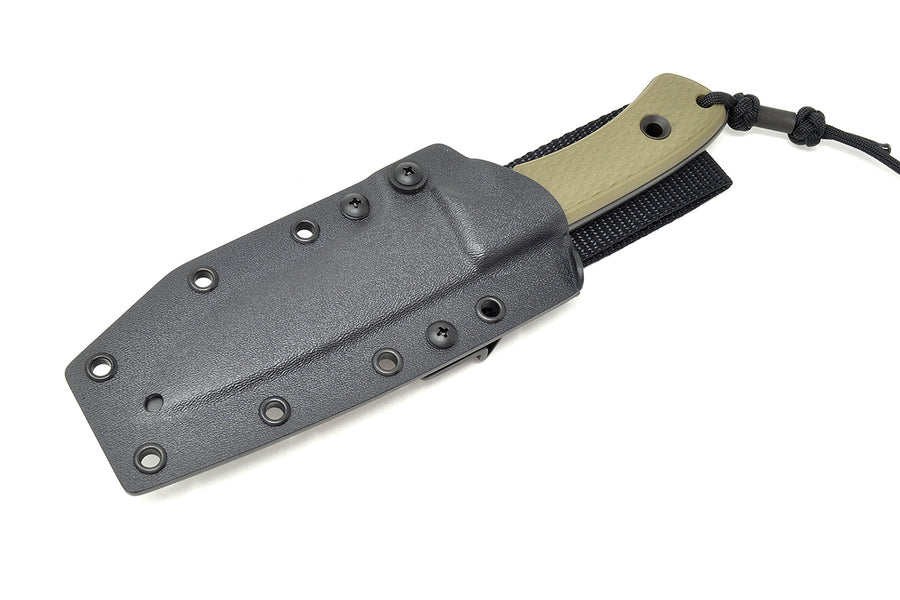
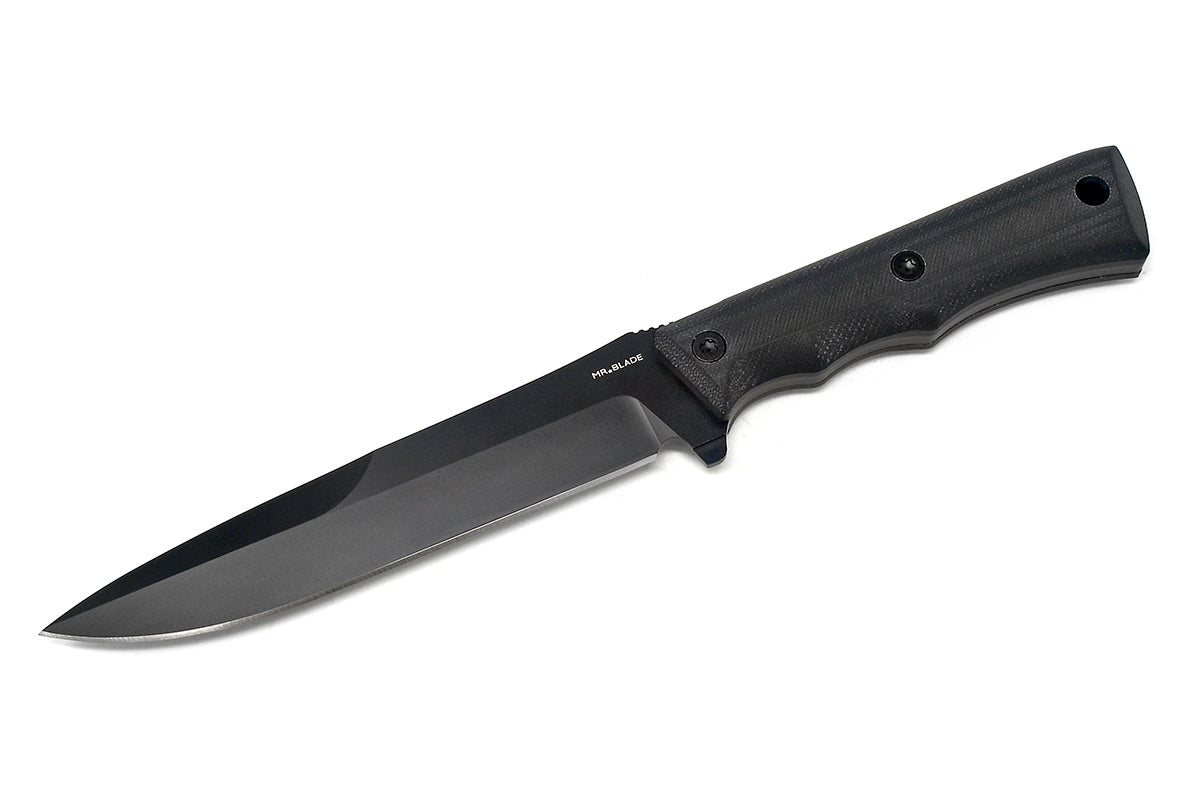
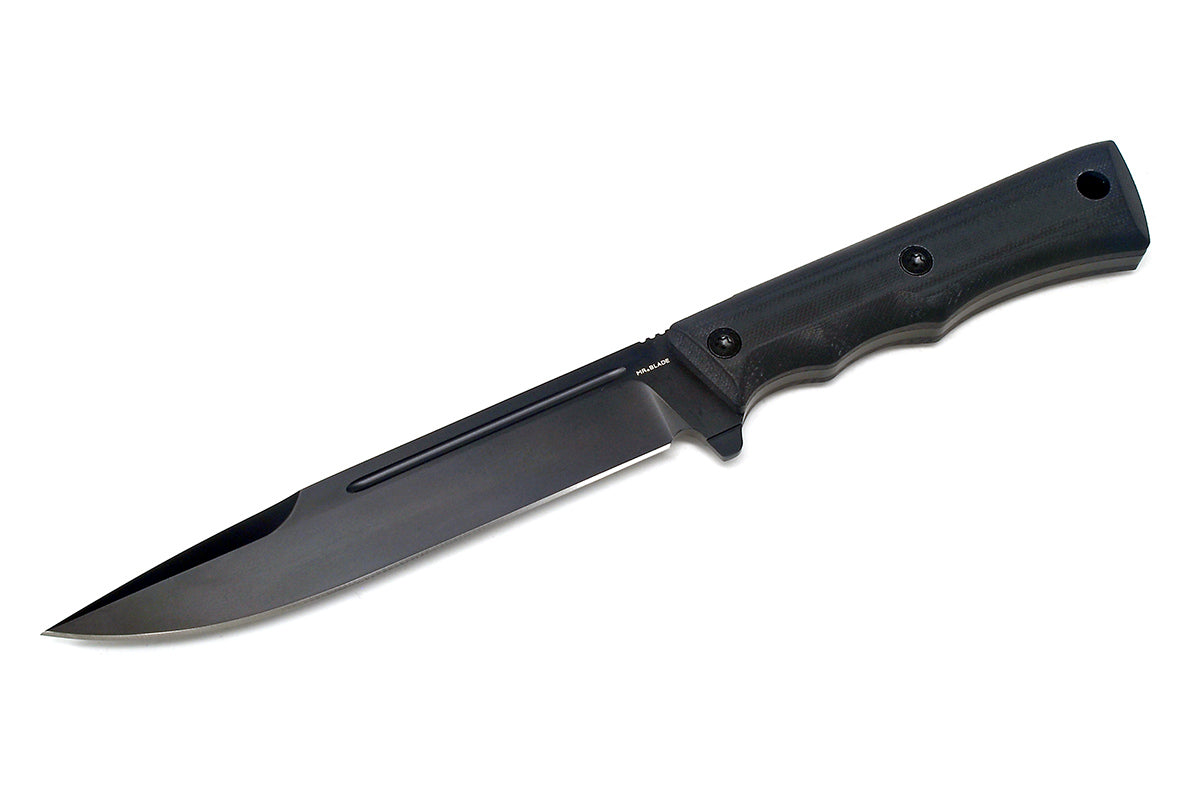
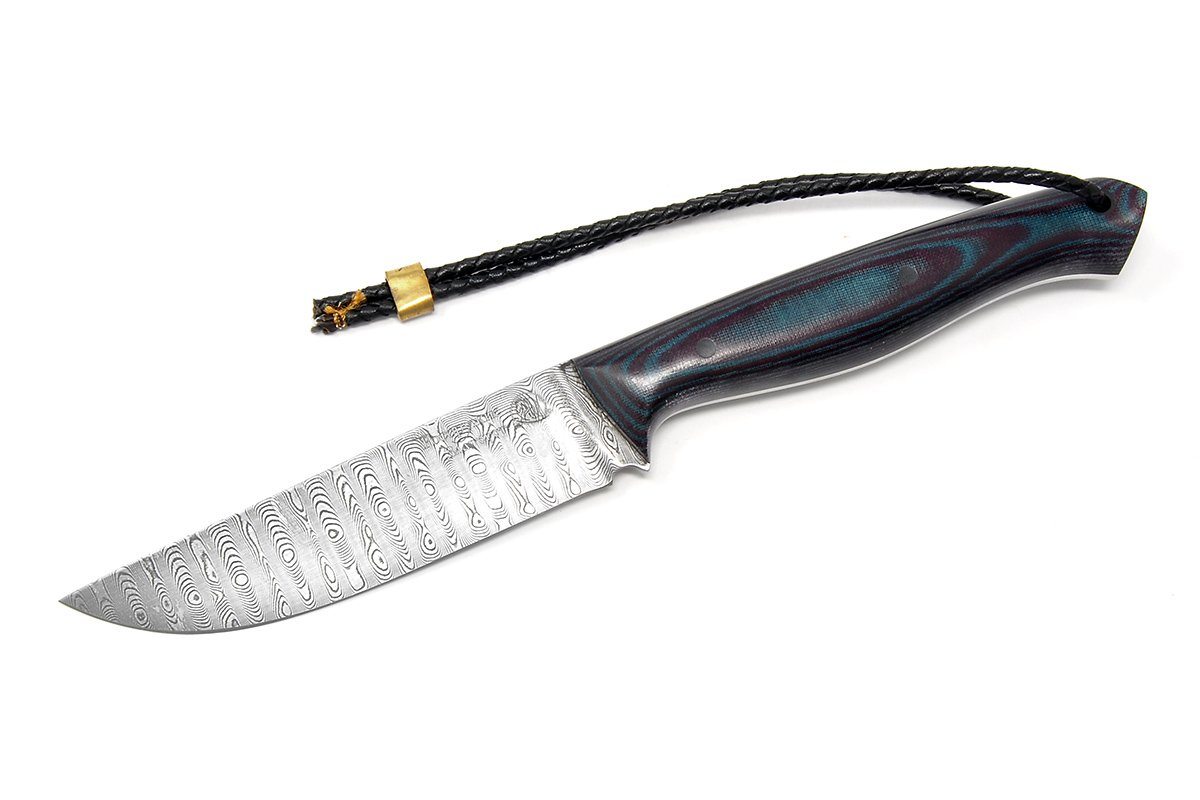
After receiving this knife in the mail, I was very pleased with its construction, quality, finish, and price. Very sturdy. Very thick, but not overly so for the length of the knife. The blade is neither too long nor too short to be unwieldy for camp knife purposes. The tang is full length and somewhat skeletonized for more even weight distribution. The G-10 handles are rather grippy and feel solid in the hand, even a clammy hand like mine. The convex edge geometry is truly flawless and tapers beautifully along the entire blade. Never yet purchased knife made from sleipner but quite pleased with the edge retention and corrosion resistance for a non-stainless steel. I don't know how they can offer such quality at the current price and turn a profit on it but there you go.
Can’t find a better EDC fixed blade. Love it so much I bought a 2nd.
The knife is impeccable, the workmanship superb. The flat grind and slim blade profile make it perfect for food prep and general (non-bushcraft) field chores. This is my second TRC; my Apocalypse, which I use for heavier field work, is equally impressive. These are not inexpensive knives but they are high value nevertheless. Vlad Kovalov of Rosarms assisted me with my order. He's a very competent and knowledgeable gentleman and I anticipate doing business with him again. Thanks, Vlad!
Materials, fit and finish are perfect, like for all TRC knives. If I could own only one knife, the South Pole would be it.
I have several TRC knives now and for the money they are in the league of some custom designs. The Apocalypse pattern is my favorite. This knife will do it all! The blade is big enough for chopping tasks yet the weight is still not over-bearing. Also ,TRC has a way off making such a beautiful finish. I look forward to relying on this excellent blade for many years to come.
awesome edc knife!! proper size & shape
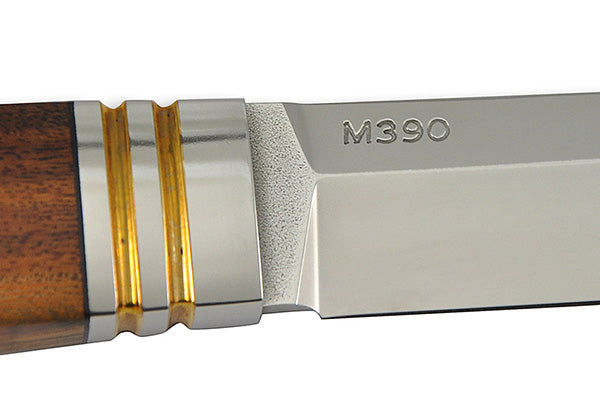
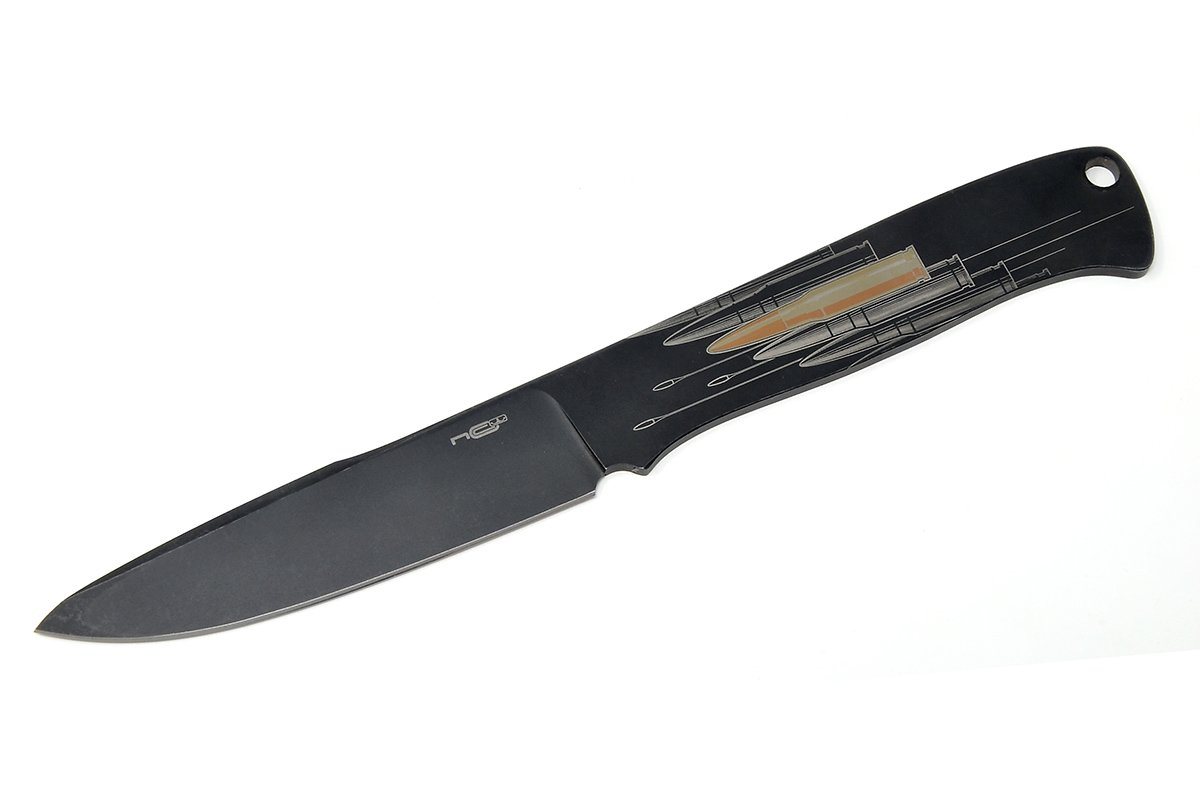
M390 super steel is manufactured by Bohler-Uddeholm. It uses third generation powder metal technology and developed for knife blades requiring excellent corrosion resistance and very high hardness for excellent wear resistance. M390 hardens to 60-62 HRC.
We offer wide range of custom knives with this premium steel. Check them out!
Buy Now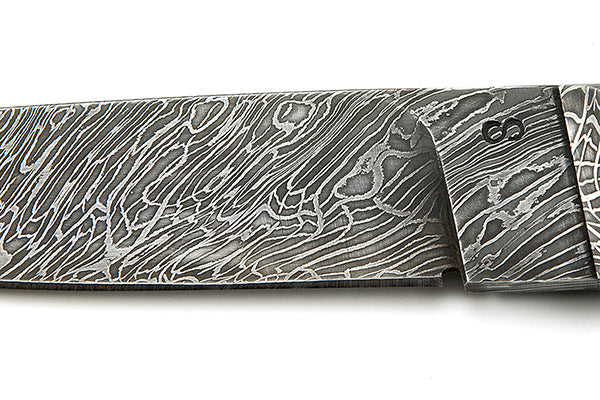
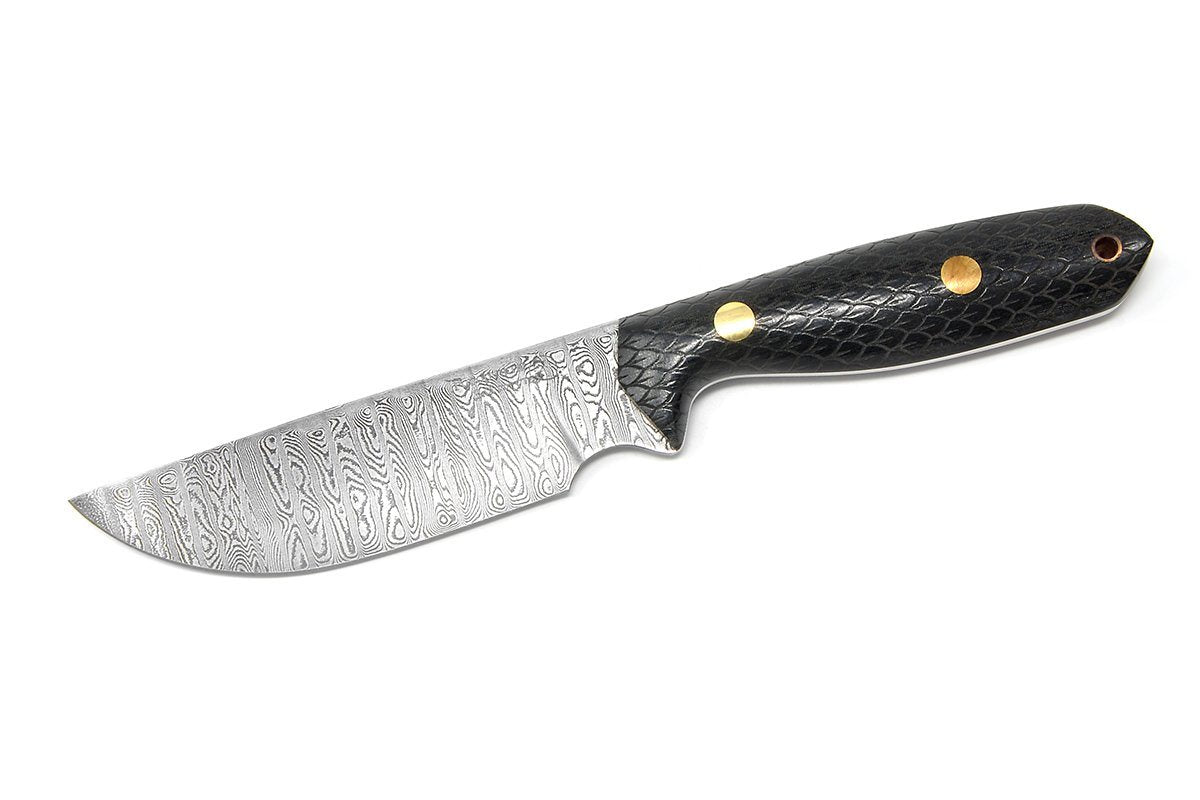
The type of pattern-welded steel is the called “Damascus steel”. Originally used in middle eastern sword making, the method has been lost since about the 16th century. But in 1973 bladesmith William F. Moran unveiled his “Damascus knives” at the Knifemakers’ Guild Show. Ever since then modern pattern-welded steel blades have been called “Damascus knives”... (The Truth About Damascus steel. William Woods)
Check our collection of Damascus knives. All hand-forged, unique and beautiful.
Buy now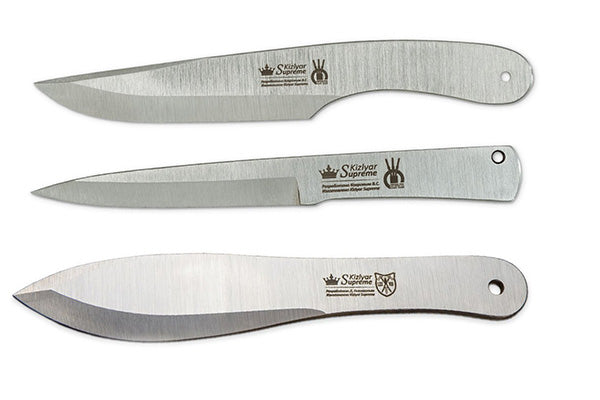
Knife Throwing is a very fun sport for practically all ages. We offer a wide selection of throwing knives for all levels and throwing techniques.
BUY NOWOnly here you can find a wide selection of Russian knives made in Zlatoust, St. Petersburg, Moscow, Krasnodar and other areas, and awesome custom knives made in Russia, Lithuania, Italy and the USA.
We have knives for hunting, fishing, camping and Every Day Carry (EDC knives). Also, you can find here unique Custom knives made of Damascus, Wootz (Bulat), highly decorated blades with artistic engraving, gilding, and more.
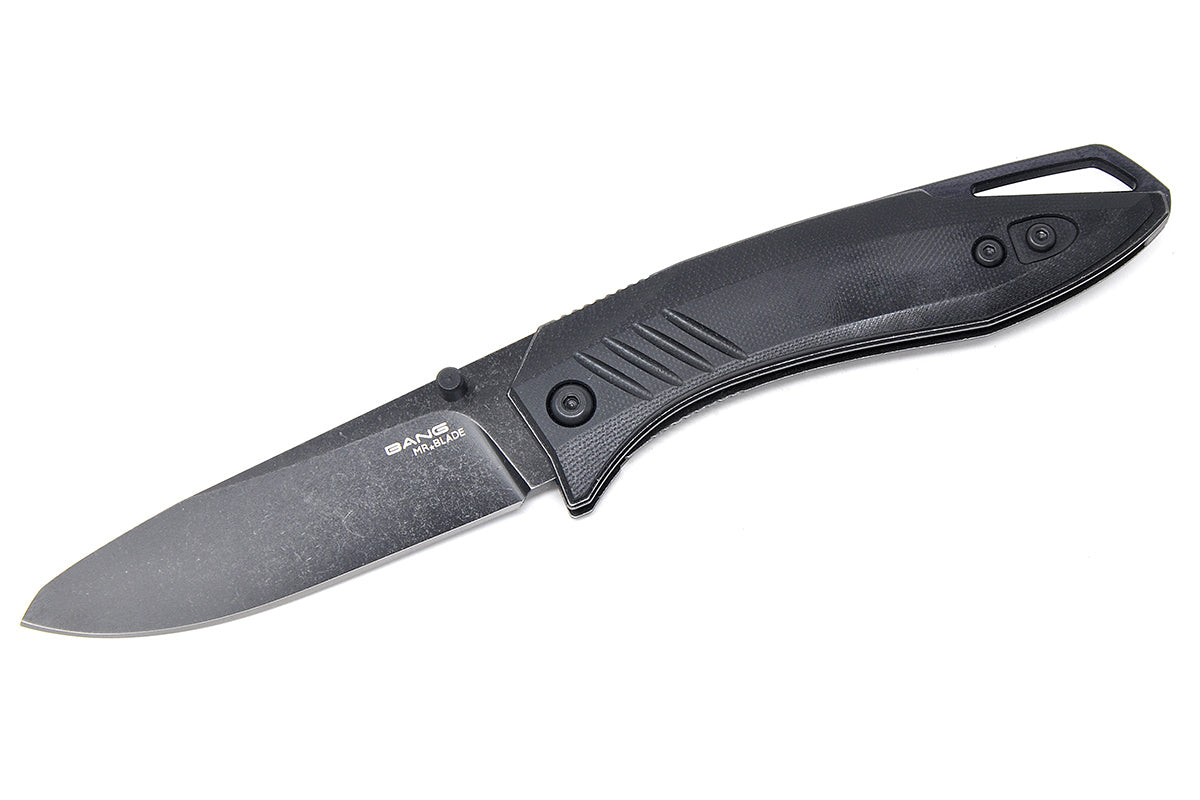
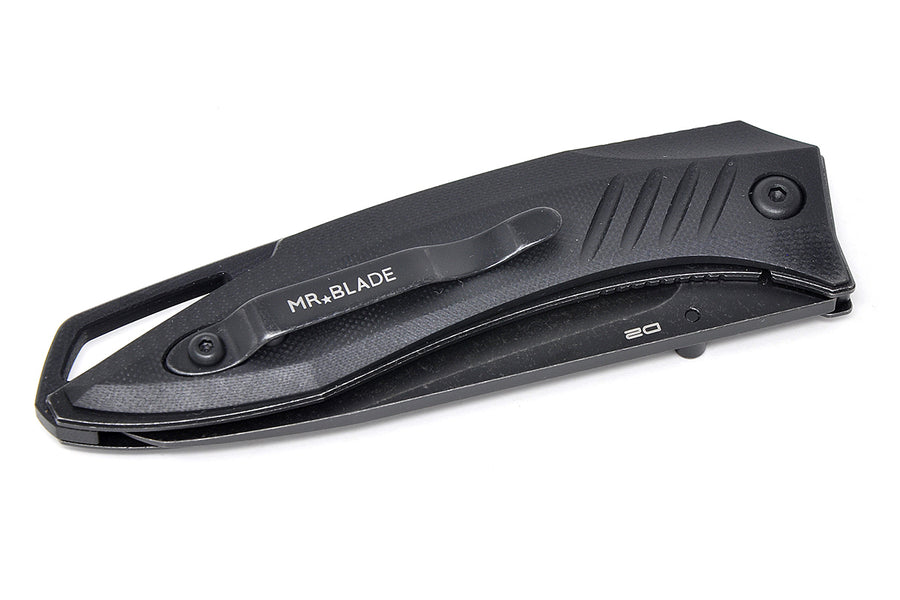
RussianKnives.com website is developed and managed by Rosarms Inc - official worldwide dealer of Rosarms, Olamic Cutlery, Kizlyar Supreme, TRC knives, DED knives (Gennadiy Dedyukhin), CKF, Mr. Blade, Nord Crown, N.C. Custom, Brutalica and many others...
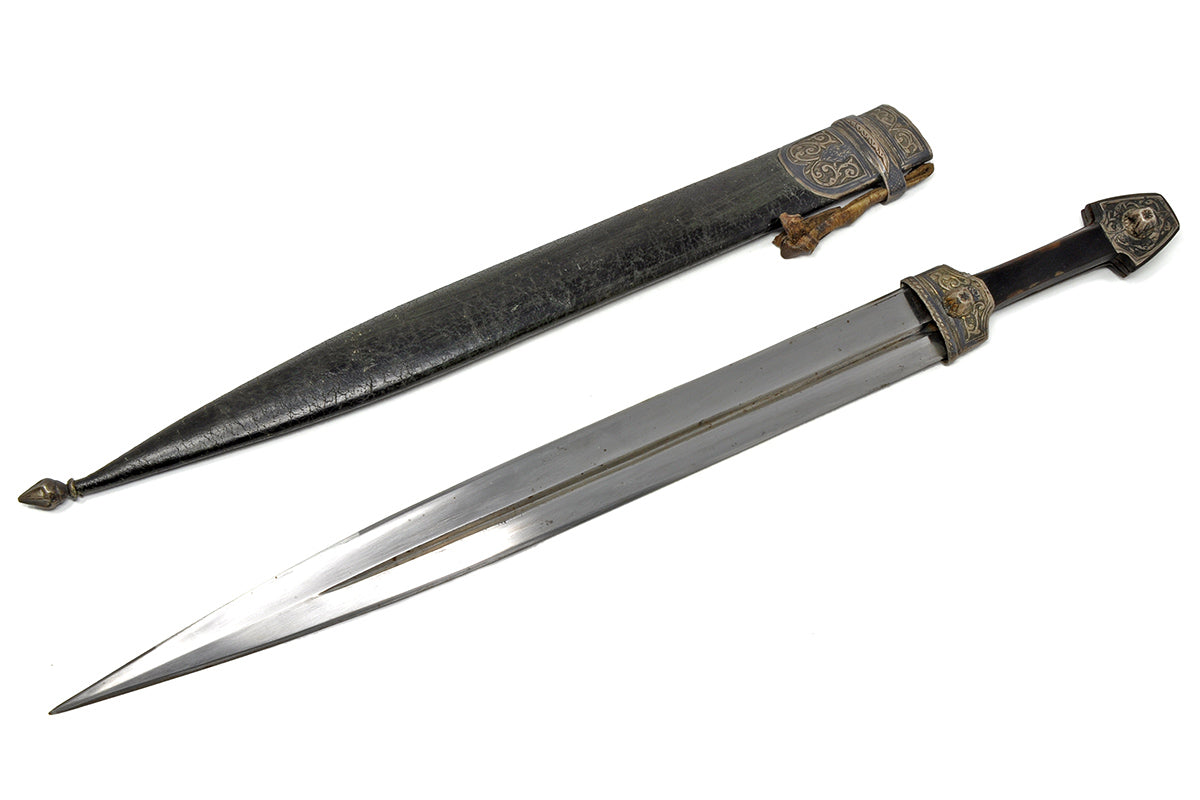
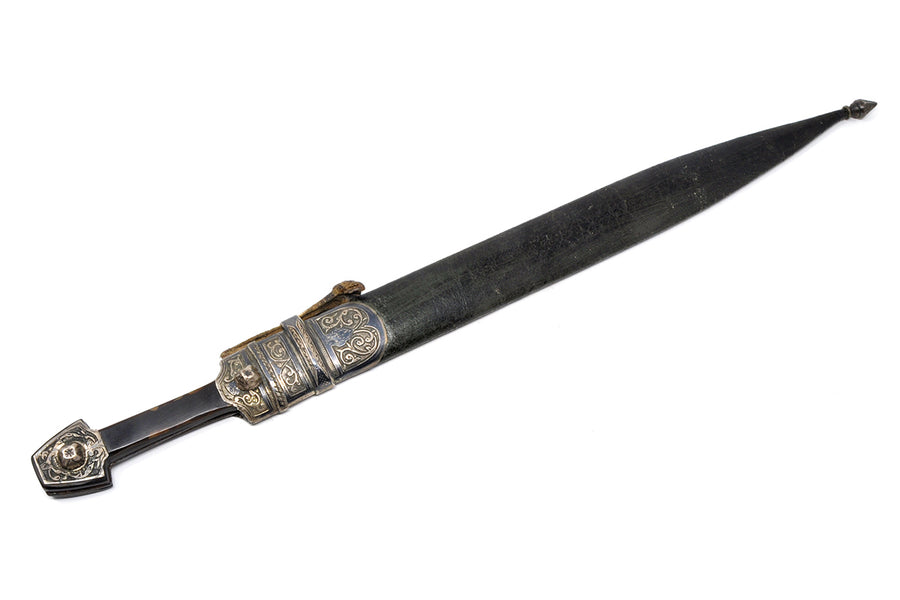
We also offering consignment sales, always looking for and presenting to you interesting historical knives and not only from Russia.


Please call before your visit: 630.672.7064
123 Flinn Street
Batavia, IL, 60510
Mon - Fri, 9am - 6pm
Saturday, 10am - 3pm
Sunday, closed